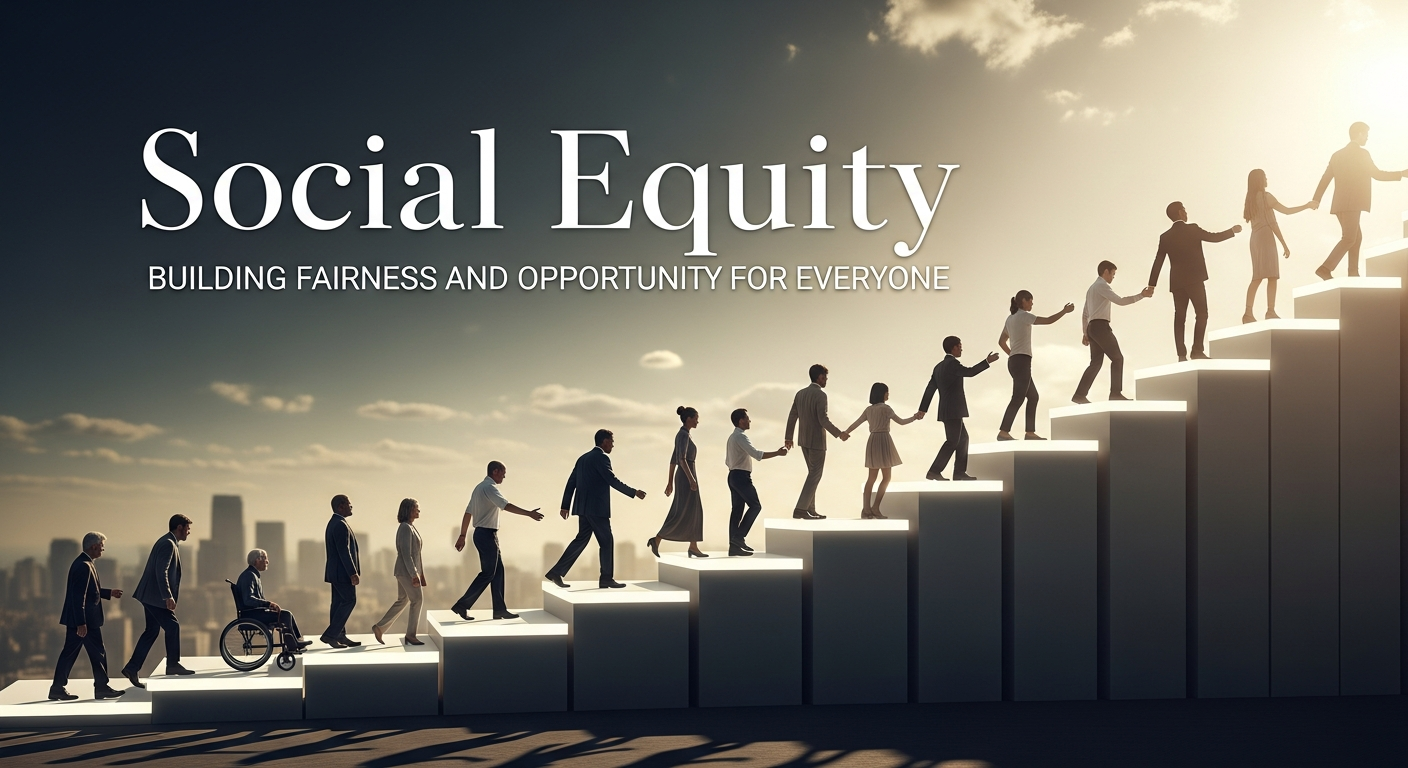
Imagine a world where everyone has a fair chance to succeed—no matter their background, race, or income. This is what social equity is all about. It means fairness in how resources, opportunities, and rights are shared among all people. Social equity aims to fix past unfairness and create a more just society.
In this article, we’ll explore what social equity means, why it’s important, and how it works in real life. We’ll also answer common questions to help you understand this important topic better.
What Is Social Equity?
Social equity means treating people fairly and giving everyone the help they need to succeed. It goes beyond equality, which means treating everyone the same. Social equity recognizes that some people face more challenges, so they may need extra support to reach the same level.
For example, if two kids want to learn math, but one has no books and the other does, social equity would make sure the kid without books gets extra help.
Why Is Social Equity Important?
Social equity helps build strong communities. When everyone has a fair chance, people feel valued and respected. This leads to better health, education, and jobs for all. Without social equity, many people face unfair barriers that hold them back.
Communities with social equity enjoy more trust, safety, and happiness. It also reduces poverty and fights discrimination.
Social Equity vs. Equality: What’s the Difference?
Equality means everyone gets the same thing. Social equity means everyone gets what they need to be successful. Sometimes this means giving more help to those who have less.
Think of it like running a race. Equality gives everyone the same shoes, but social equity makes sure those with injured feet get special shoes to run well.
How Does Social Equity Work in Education?
In schools, social equity means helping students with fewer resources. This might include free meals, extra tutoring, or better learning materials. Schools try to close the gap so all students have a chance to succeed.
For example, a school may offer after-school programs to help kids from low-income families.
Social Equity in Healthcare: Making Care Fair
Social equity in healthcare means making sure everyone can get the care they need. Some people may not have insurance or live far from hospitals. Social equity works to remove these barriers.
This can include mobile clinics, affordable medicine, or community health programs that reach everyone.
Social Equity and Economic Opportunity
When social equity is practiced, more people can find good jobs and earn fair wages. Programs may help people learn new skills or get business loans. This supports economic growth and reduces income gaps.
Social Equity and Justice: Fighting Discrimination
Social equity also means fighting unfair treatment because of race, gender, or age. Laws and policies are created to protect people and give everyone equal rights. Social equity helps make sure justice is truly fair for all.
The Role of Social Equity in Housing
Not everyone has the same access to safe and affordable housing. Social equity works to provide housing for low-income families and prevent homelessness. It also fights housing discrimination so everyone has a place to call home.
How Governments Promote Social Equity
Many governments have programs that promote social equity. These include scholarships, healthcare programs, and fair hiring laws. Governments aim to create policies that help everyone, especially those who need it most.
Real-Life Examples of Social Equity
- A city providing free public transport for low-income residents.
- A company hiring more women and minorities to balance workplace diversity.
- Schools offering extra help to students who struggle.
These actions show social equity in practice, creating fairness and opportunity.
FAQs About Social Equity
1. What is the main goal of social equity?
The main goal is to make sure everyone has a fair chance to succeed by providing help based on their needs.
2. How is social equity different from equality?
Equality means treating everyone the same, while social equity means giving people what they need to be equal.
3. Why does social equity matter in education?
Because students come from different backgrounds, social equity helps those who face more challenges to succeed in school.
4. Can social equity improve healthcare?
Yes, it ensures everyone gets access to medical care, regardless of their income or location.
5. How does social equity help the economy?
It helps by giving people tools and opportunities to get good jobs and improve their lives.
6. Who benefits from social equity programs?
Everyone benefits because social equity creates a fairer and stronger society.
Conclusion: Why We All Need Social Equity
Social equity is not just a nice idea—it’s essential for a fair society. When everyone gets the help they need, communities grow stronger, and everyone has a chance to thrive. By understanding and supporting social equity, you help build a kinder, more just world for yourself and future generations.
If you want to learn more or get involved, start by talking to your local community leaders or supporting organizations that promote fairness and inclusion. Together, we can make a difference!